

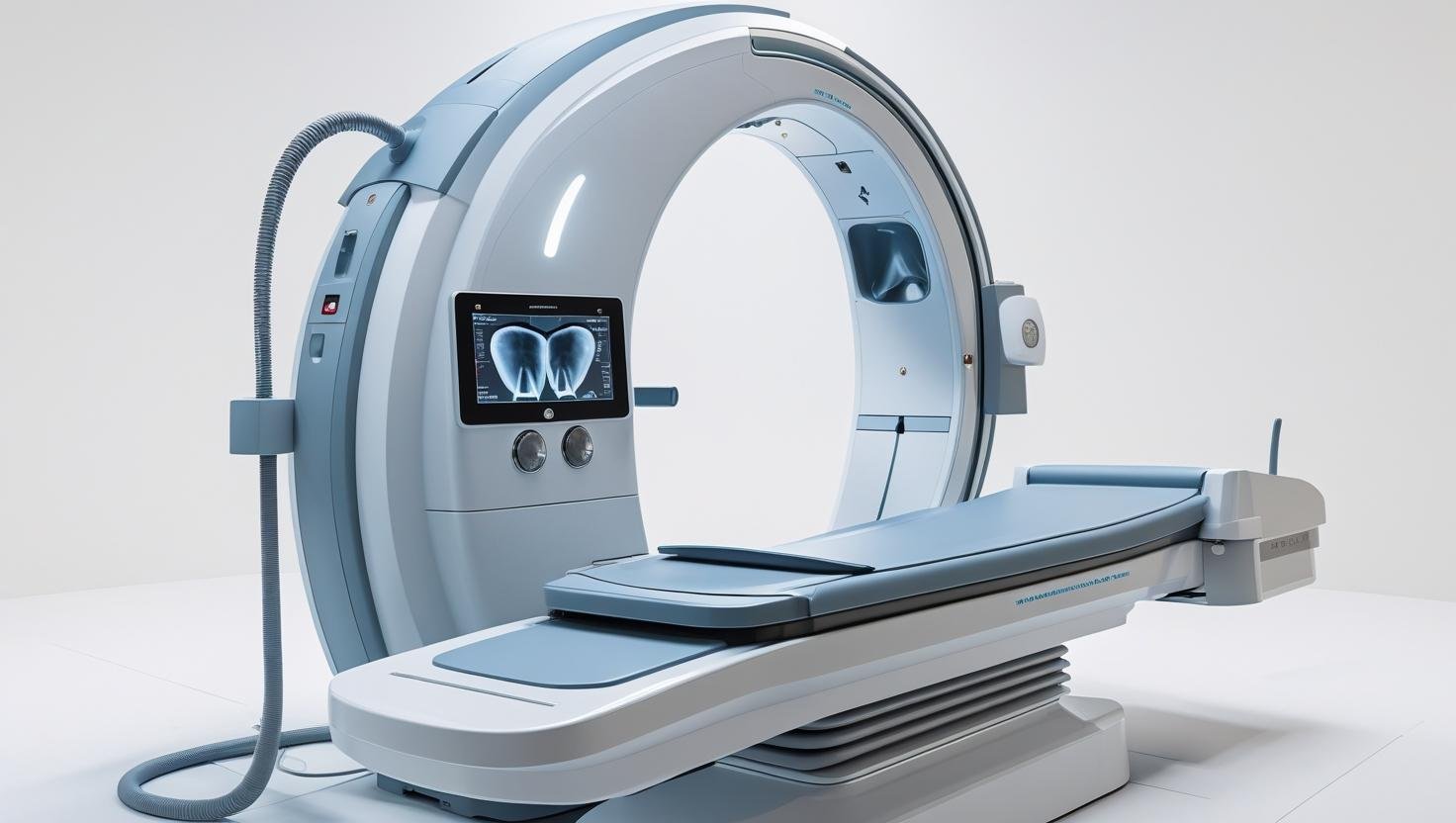
In modern medicine, real time data isn’t a luxury it’s essential. High quality monitoring devices provide clinicians with vital information while enhancing patient safety and workflow efficiency.
- Choose Technology That Enhances Accuracy
Monitoring tools should offer reliable, clear readings — every second counts.
Digital precision
Look for devices with digital interfaces and advanced sensors. Pulse oximeters, ECG machines, and multi parameter monitors should deliver consistent results in varied clinical conditions.
Minimize false alerts
High quality monitors are built to reduce noise from patient movement, skin tone variations, or signal artifacts protecting clinical focus.
- Ensure Comfort and Usability
Good equipment should work with the patient, not against them.
Non-invasive options
Devices like fingertip pulse oximeters or wireless BP monitors are less disruptive and easier to apply, especially for pediatric or elderly patients.
Intuitive interface
Monitors should have simple displays and navigation. This ensures quick onboarding for staff and accurate interpretation during fast paced care.
- Plan for Maintenance and Support
Even the best equipment requires consistent upkeep.
Calibrate regularly
Routine calibration keeps readings accurate. Always follow manufacturer guidelines for frequency and technique.
Partner with a reliable supplier
Choose providers who offer not just equipment, but training, spare parts, and servicing ensuring long-term value.