

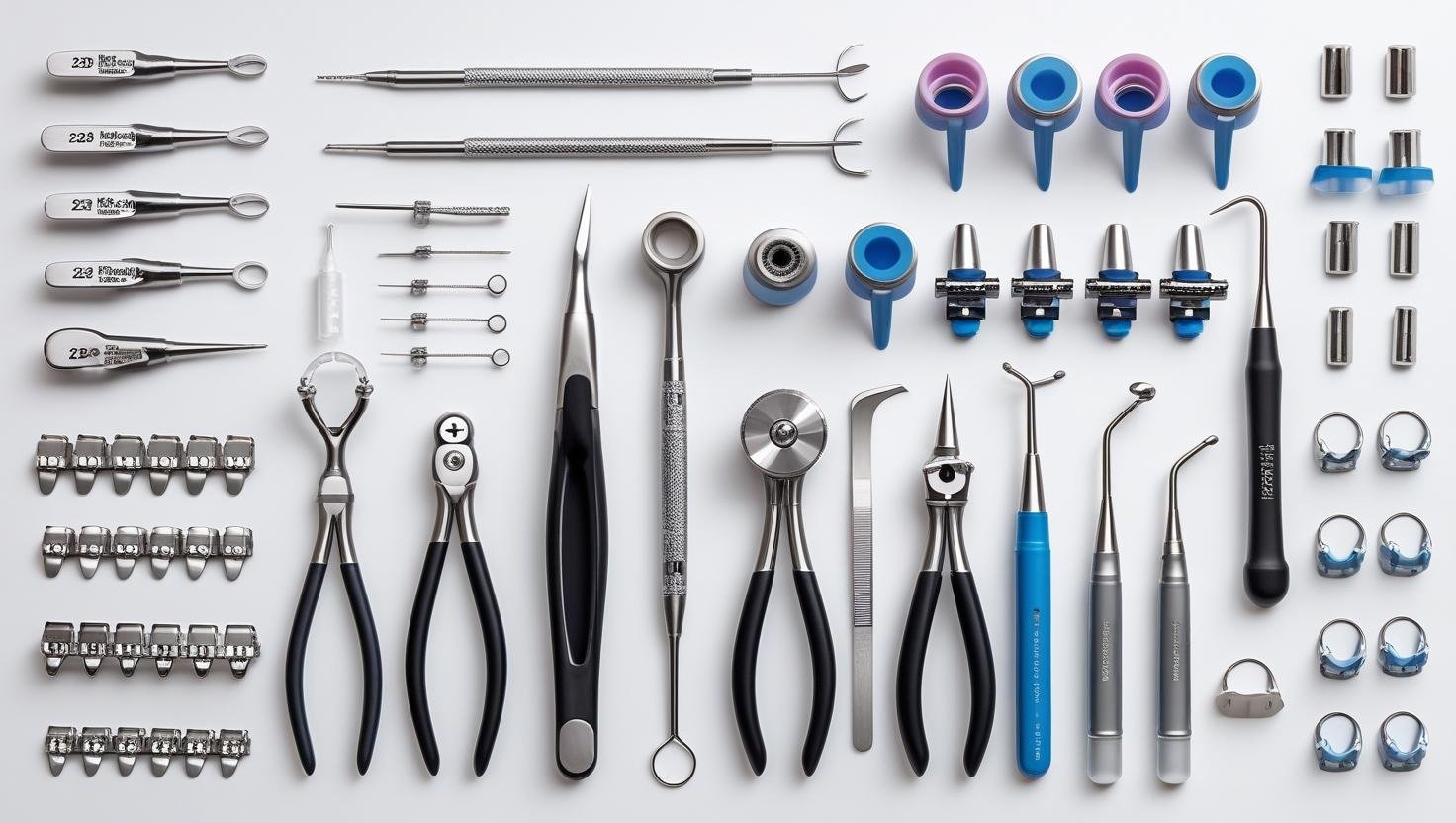
Equipping a medical practice with the right tools ensures both patient safety and procedural success. Quality surgical instruments are not just tools they’re extensions of a surgeon’s precision and care.
- Invest in Quality Materials and Craftsmanship
Durability begins with what the instrument is made of.
Surgical grade stainless steel
Look for instruments made with high grade stainless steel. They resist corrosion, remain sharp longer, and stand up to repeated sterilization.
Ergonomic design matters
Instruments with smooth handles, balanced weight, and intuitive grip reduce fatigue and improve control during delicate procedures.
- Match the Instrument to the Procedure
Every specialty demands unique precision.
Use specialized tools
From microsurgical scissors to orthopedic retractors, using equipment designed for the specific procedure ensures better outcomes and minimizes tissue trauma.
Avoid overuse
Single use instruments are ideal for certain settings like emergency care or outpatient procedures, helping reduce cross contamination risks.
- Prioritize Sterility and Maintenance
Clean instruments protect both patient and provider.
Follow proper cleaning protocols
Even the best tools lose value if improperly maintained. Use approved detergents, drying techniques, and autoclaves to maintain surgical integrity.
Regular inspections
Examine tools for dull edges, misalignment, or damage. Replace or service as needed to maintain performance.